
TMD Inspiration
The Hidden Side of Luxury: The Details You’ll Never Notice
Categories
Recent

GET IN TOUCH
On social
By phone
202 465-8114
By Mail
1350 Beverly Road, Suite 115
PMB 143
McLean, VA 22101
By form
Interested in working with us?
Use the contact form to tell us more about your project. Someone will get back to you within 48 business hours.
Based in McLean, VA
Creating inspired interiors for discerning clients since 2003. Accepting clients in DC, Virginia, Maryland, and select cities throughout the United States.
The Hidden Side of Luxury: The Details You’ll Never Notice
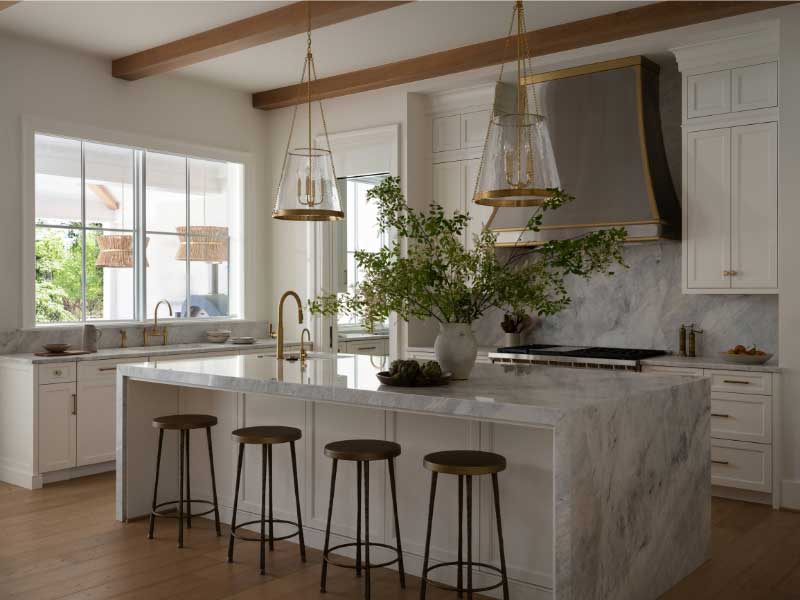 The most luxurious homes are defined as much by what you’ll never see as by what you will. The invisible details in custom home design, like the insulation inside an interior wall, the blocking behind a heavy mirror, or the outlet tucked inside a vanity cabinet, are what allow a home to feel calm, effortless, and quietly complete. You may never notice them. That’s exactly the point.
When we explored the new luxury in home design, we described luxury as ease, comfort, and craftsmanship rather than excess. The details in this article are where that idea comes to life. A room can only feel calm and uncluttered when the things that would otherwise clutter it, such as cords, noise, glare, and visible storage, have been resolved behind the scenes.
What Are the Invisible Details in Custom Home Design?
Invisible details are the decisions that live behind walls, beneath floors, and inside cabinetry. They include acoustic insulation, lighting circuits and dimming, outlet and switch placement, structural blocking, concealed storage, and the mechanical systems that keep a home comfortable. None of them appear in a finished photograph, yet each one shapes how a home feels every single day.
Light, scale, and flow influence how we feel long before we consciously notice them, and invisible details work the same way. When they’re right, a home simply feels good. When they’re missing, you sense something is slightly off, even if you can’t name it.
Quiet Is a Design Decision
A calm home begins with sound, and you decide it long before the first piece of furniture arrives. Building codes generally require insulation only in exterior walls, which means many interior walls are left hollow unless someone specifies otherwise. Adding acoustic insulation around bedrooms, offices, media rooms, and laundry spaces makes a remarkable difference in how peaceful a home feels.
Other quiet decisions follow naturally. Solid-core doors close with a softer, more substantial sound. Soft-close hardware on drawers and cabinets removes small, everyday noise. Placing a laundry room or mechanical equipment away from sleeping areas means the house never announces that it’s working. Each choice is modest on its own; together, they create a home where you can truly unwind.
Light You Feel Before You See
Thoughtful lighting is one of the most powerful invisible details because you experience its effect without noticing the fixture. A well-planned home layers ambient, task, and accent lighting on separate circuits with dimmers, so a room can shift from bright morning energy to a soft evening glow with a single touch. We explore this further in our look at the crucial role of lighting in interior design.
The quietest lighting decisions are often the most appreciated. Low toe-kick lighting that guides you through the kitchen at night. Interior closet lighting that turns on when a door opens. Switches placed exactly where your hand naturally reaches as you enter a room, rather than hidden behind a door swing. No one compliments these details, but everyone feels them.
Power and Technology Placed Where Life Happens
Few things interrupt a beautifully edited room faster than a visible cord. That’s why we plan power around the furniture layout, not the other way around. A floor outlet beneath a sofa floating in the center of a room lets a table lamp sit exactly where it belongs. A charging drawer in the kitchen or entry keeps devices out of sight. An outlet inside a vanity cabinet lets hair tools stay plugged in and put away.
We also think ahead. Running conduit for technology that doesn’t exist yet, wiring for motorized shades with recessed ceiling pockets, and placing speakers and wireless access points so they disappear into the architecture all protect a room’s calm for years to come. Good design anticipates how a home will be lived in tomorrow, not just how it will be used on move-in day.
The Structure Behind the Beauty
Some of the most important invisible details are simply pieces of wood placed inside a wall before drywall goes up. This blocking gives heavy mirrors, oversized art, floating vanities, and drapery hardware something solid to anchor into. It also lets you add grab bars or other supportive features later, without opening a finished wall.
Structure shows up in transitions, too. Flooring materials that meet flush from room to room, a ceiling box rated for a substantial chandelier, and ceiling heights confirmed before trim is ordered all contribute to a home that feels seamless. When these details are right, rooms flow into one another without a second thought.
Storage That Disappears
Editing a room is far easier when everything has a home behind a closed door. The best storage is designed around what a family actually owns: drawers sized for specific cookware, appliance garages that hide the coffee maker, concealed doors that blend into paneling, and built-ins that hold books, linens, and everyday essentials without visual noise. We share more ideas on how to organize your home like a designer.
The same thinking applies to furnishings. What’s inside a sofa, including its frame, springs, and cushion construction, determines how it feels and how long it lasts, as we explain in Furniture 101: What Is Inside Matters. It’s another layer of luxury you’ll never see, but you’ll feel it every time you sit down.
Why Invisible Details Must Be Decided Early in Custom Home Design
Nearly every detail in this article has one thing in common: it must be decided before the walls are closed. Once drywall is up, adding blocking, insulation, or a floor outlet becomes disruptive and costly. That’s why we believe building a custom home requires a unified design team, with the interior designer at the table from the earliest planning stages.
FAQs
What are invisible details in custom home design?
Invisible details are the planning decisions hidden behind walls, under floors, and inside cabinetry, such as acoustic insulation, lighting circuits, outlet placement, structural blocking, and concealed storage. You rarely notice them in a finished home, but they determine how calm, comfortable, and effortless that home feels every day.
When should invisible details be planned?
Ideally during design and pre-construction, before blueprints are finalized and long before drywall goes up. Most hidden details, including insulation, blocking, wiring, and outlet locations, are simple to add while walls are open and disruptive to add afterward. Involving an interior designer early ensures they are built into the plan.
Do invisible details add significant cost to a custom home design?
Most are modest when planned early, especially compared with adding them later. Acoustic insulation, blocking, and additional outlets are relatively small line items during construction. The real investment is time spent planning carefully, which prevents costly changes down the road and makes the finished home feel far more refined.
How do hidden details make a home feel more luxurious?
They remove small daily frictions. Without visible cords, sound carrying between rooms, harsh glare at night, or crowded countertops, a home feels calmer and more personal. Luxury today is defined by ease and comfort, and invisible details are what make that ease possible.
Ready for a home where every detail is considered, even the ones you’ll never see? Contact us today to begin your next project.